Nutrition Guide & FAQ
Welcome to the Egg Farm Nutrition Guide & FAQ. This page offers practical, evidence-based advice on storing eggs, trusted cooking methods, food safety, allergy considerations, and frequently asked questions about eggs and health. Whether you keep eggs from your backyard hens or buy them from the store, this guide helps you handle and enjoy eggs safely and nutritiously.

Storage: How to Keep Eggs Fresh
Proper storage is the first step to preserving egg quality and safety. Keep these points in mind:
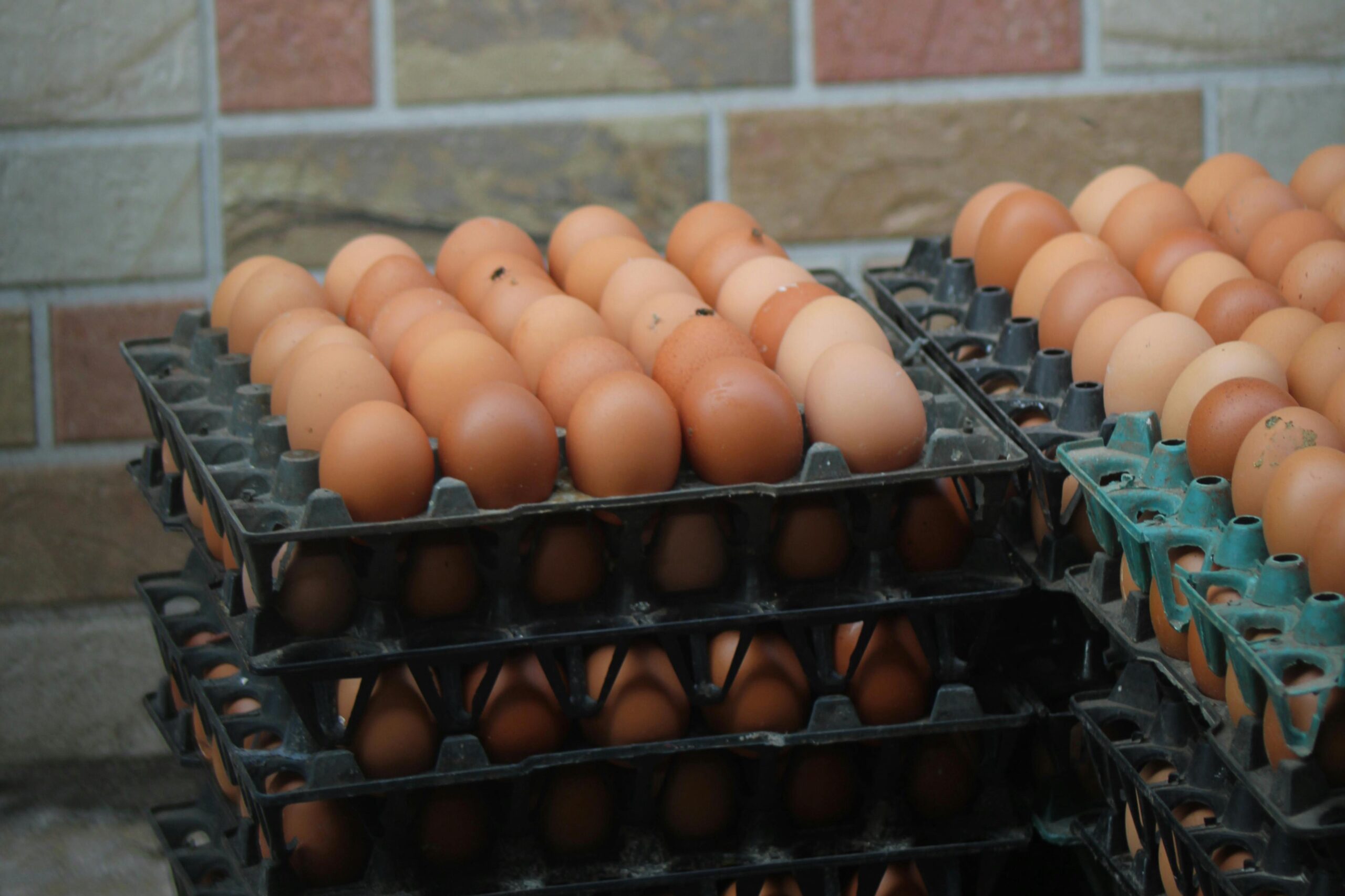
- Refrigeration: In countries where eggs are washed (like the United States), refrigeration is recommended. Store eggs in their carton on a shelf (not the door) to maintain a steady temperature. Ideal temperature: below 40°F (4°C).
- Room temperature: In many countries where eggs are not washed, eggs can be stored at cool room temperature for several days. However, refrigeration extends shelf life and reduces risk of bacterial growth.
- Use-by timeframe: Fresh eggs stored in the fridge typically last 3–5 weeks. Use the pack date or sell-by date as guidance.
- Freshness test: If unsure, perform the float test: place an egg in a bowl of water. Sinks = fresh; stands upright = older but often still safe; floats = discard.
Cooking Methods and Best Practices
Eggs are versatile and nutritious. Here are safe and tasty methods:
- Hard-boiled: Boil eggs for 9–12 minutes depending on size. Cool quickly in an ice bath to stop cooking and ease peeling.
- Poached: Poaching yields tender whites and runny yolks. Use freshly cracked eggs and simmer gently in water with a dash of vinegar.
- Fried: Cook whites fully and yolks to your preferred doneness. For safety, cook to at least the point where whites are set.
- Scrambled/omelets: Cook until no liquid remains and the curds are firm but still moist.
- Baking: When recipes call for eggs, follow cooking temperatures and times to ensure dishes reach safe internal temperatures.
Safety: Salmonella and Handling
Salmonella is the primary bacterial concern with eggs, but proper handling and cooking greatly reduce risk:
- Wash hands and surfaces: Always wash hands, utensils, and surfaces after contact with raw eggs.
- Avoid cross-contamination: Use separate cutting boards and clean any surfaces that touched raw eggs.
- Cook thoroughly: Cooking eggs until both white and yolk are firm kills most bacteria. For dishes with raw eggs (homemade mayonnaise, mousse), use pasteurized eggs or egg products.
- Vulnerable groups: Pregnant people, infants, older adults, and immunocompromised individuals should avoid raw or undercooked eggs.
Allergy Considerations
Egg allergy is one of the common childhood food allergies. Key points:
- Symptoms range from mild (hives) to severe (anaphylaxis). Seek medical testing if you suspect an egg allergy.
- Many children outgrow egg allergies, but reintroduction should be guided by an allergist.
- Egg proteins are present in many processed foods and vaccines — check labels and consult healthcare providers when needed.
Nutrition & Heart Health
Eggs are nutrient-dense and a high-quality protein source. They contain essential vitamins and minerals, such as vitamin B12, vitamin D, choline, selenium, and lutein/zeaxanthin (important for eye health). A few notes on cholesterol and heart health:
- Cholesterol: Eggs contain dietary cholesterol, mainly in the yolk. Most healthy people can include eggs as part of a balanced diet without adverse effects on blood cholesterol. Individual responses vary.
- Moderation and context: Consider overall dietary patterns. Pair eggs with vegetables, whole grains, and healthy fats rather than processed meats and refined carbs.
- Protein benefits: Eggs support muscle maintenance, satiety, and weight management when used in balanced meals.
Practical Tips & Tricks
- Cracking and separating: Crack eggs on a flat surface rather than the bowl edge to reduce shell fragments. Use cold eggs for easier separation (whites hold better when cold).
- Freezing eggs: To freeze eggs, beat yolks and whites together and label the container with the number of eggs. You can also freeze whites separately.
- Peeling boiled eggs: Older eggs are easier to peel. Add a teaspoon of baking soda to the boiling water to help with peeling if needed.
- Buying tips: Look for clean, intact shells and, if possible, buy from trusted local farms for freshness. Check the carton date.
FAQ
Q: Can I eat raw eggs?
A: Raw eggs carry a small risk of Salmonella. Use pasteurized eggs for recipes that call for raw or lightly cooked eggs, or avoid raw preparations if you are in a high-risk group.
Q: How long do eggs last in the fridge?
A: Generally 3–5 weeks from the date you bring them home. Use the float test to check freshness if in doubt.
Q: Are brown eggs healthier than white eggs?
A: No. Shell color depends on the hen breed and does not significantly affect nutrition.
Q: Does cooking change egg nutrition?
A: Cooking changes the structure of egg proteins and makes them more digestible. Some heat-sensitive vitamins may be reduced slightly, but overall, cooked eggs remain highly nutritious.
Q: Can I wash farm eggs?
A: Washing removes the natural protective bloom. If you wash eggs, refrigerate them promptly. Many small farms prefer dry-cleaning and storing unwashed eggs at cool temperatures.
Final Notes
Eggs are a practical, affordable, and nutrient-rich food. By following simple storage, handling, and cooking guidelines, you can enjoy eggs safely and add them to a healthy diet. If you have specific health concerns—cholesterol management, food allergies, pregnancy—consult your healthcare provider or a registered dietitian for personalized advice.
If you have more questions, contact Egg Farm through our contact page or leave a comment. We’re happy to help with tips on storage, cooking, and sustainable small-scale egg keeping.